I’m relieved and excited to share some major new work I’ve produced, aided by excellent collaborators:
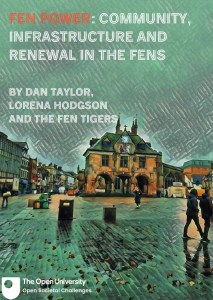
Fen Power: Community, Infrastructure and Renewal in the Fens
The fruit of two years’ intensive work (alongside other regional projects, publications and responsibilities), Fen Power sets out a radical new vision of local democracy and regional development in one of England’s most beautiful, difficult and irascible regions, the Fens. Often written off or subject to condescension, this breadbasket of Britain contains the ideas, expertise and energies we need to renew non-metropolitan regions like this across the country.
I’ve produced two reports – one with the care and ambition of a short book – and, with Jay Gearing of Red 7 Productions, made a short film called Dreams of the Fen Tigers.
View the film:
Read the reports and background on the Fen Power webpage:
There’s little point prattling any further about it – watch, read and make up your own mind. But if you’re also concerned by bad politics, why infrastructure spending is historically low, the failures of devolution or the widespread sense of the country being “broken” or under a malaise and its relation to local and national politics – then do take a look. I’d like to know what you think. The work attempts to untangle the knot of migration, class, Brexit, asylum seeker hotels, fear of street crime and violence against women, but more will be done. It sets out a new concept in my thought, security, and deepens my past work on the affects and participatory community research. It’s been by far the most fascinating and perplexing project I’ve worked in – more so even than Spinoza’s philosophy.

Lastly, it’s introduced another new process in my thinking, that of thinking dialectically. The opposite of infrastructure is immobility; the opposite of connection is borders; the opposite of identity is alienation. The opposite of place and the local is the non-place. Conversation is dialectical; people are complex, perceptions are precarious, identities are often under defence or being worked through, worked outwards, most often looking backwards. Tension, conflict and ambivalence are productive. Difficult, yes, but in each shadow is a true definition of where one is now.
Other new work
It’s been a productive time on paper.
My last book Spinoza and the Politics of Freedom is now available open access – you can read it for free here.

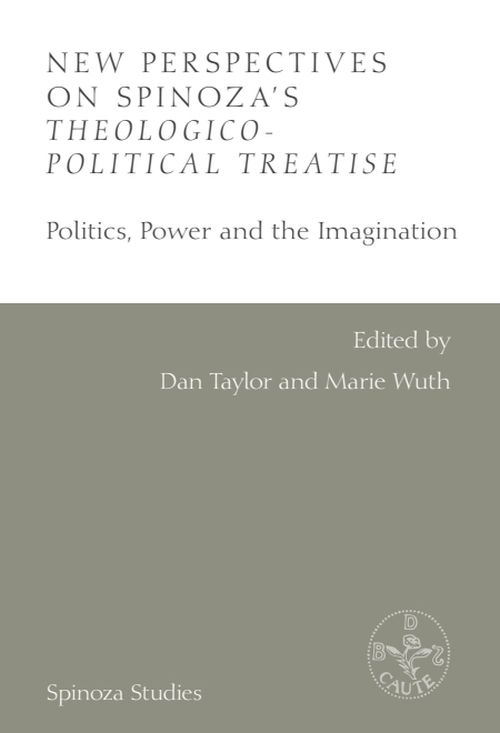
Our edited collection, Politics, Power and the Imagination, on Spinoza’s TTP, came out with EUP. (Use NEW30 for a discount; email me for a pdf if you cannot otherwise access it).
I’m also about to see to publication another book, which I’ve edited – not authored – Juan Domingo Sanchez Estop’s Spinoza and Althusser: Detours and Returns, out with EUP. It’s more than a translation of the French original – we’ve worked carefully on the English language version, making it even more robust.
A major piece of research, Government spending on unpaid carers in England since 2010: a systematic review, will appear in the next month or so in the International Journal of Care and Caring. Behind the dull title is a radical set of claims about care and caregivers’ rights rooted in what I think is the most rigorous and critical examination of recent UK government policy on unpaid care I’ve yet to read (I’m not biased of course). It’ll be open access and I’ll share a link in due course. I’ve also written a fair bit of other work for the special issue that it will appear in.
Another adventure in critical thought for me, The Rage of the Disesteemed: Anger, Politics and Epistemic Agency, will appear in the new Journal of Social and Political Philosophy next year. It sets out an argument as to whether anger is useful for democratic politics, and develops earlier thinking around the imprint of the emotions and ethical and political agency I took up in an article last year on the philosophy of sympathy in George Eliot and Spinoza, and initiated through an unlikely engagement with Malcolm X in another journal article last year. Colleagues will be rightly sceptical of any new journal, but this one is edited by Professor Paul Patton and is producing excellent – and open access – work. If you’re interested in reading it before 2026 (or even at all!), send me an email.

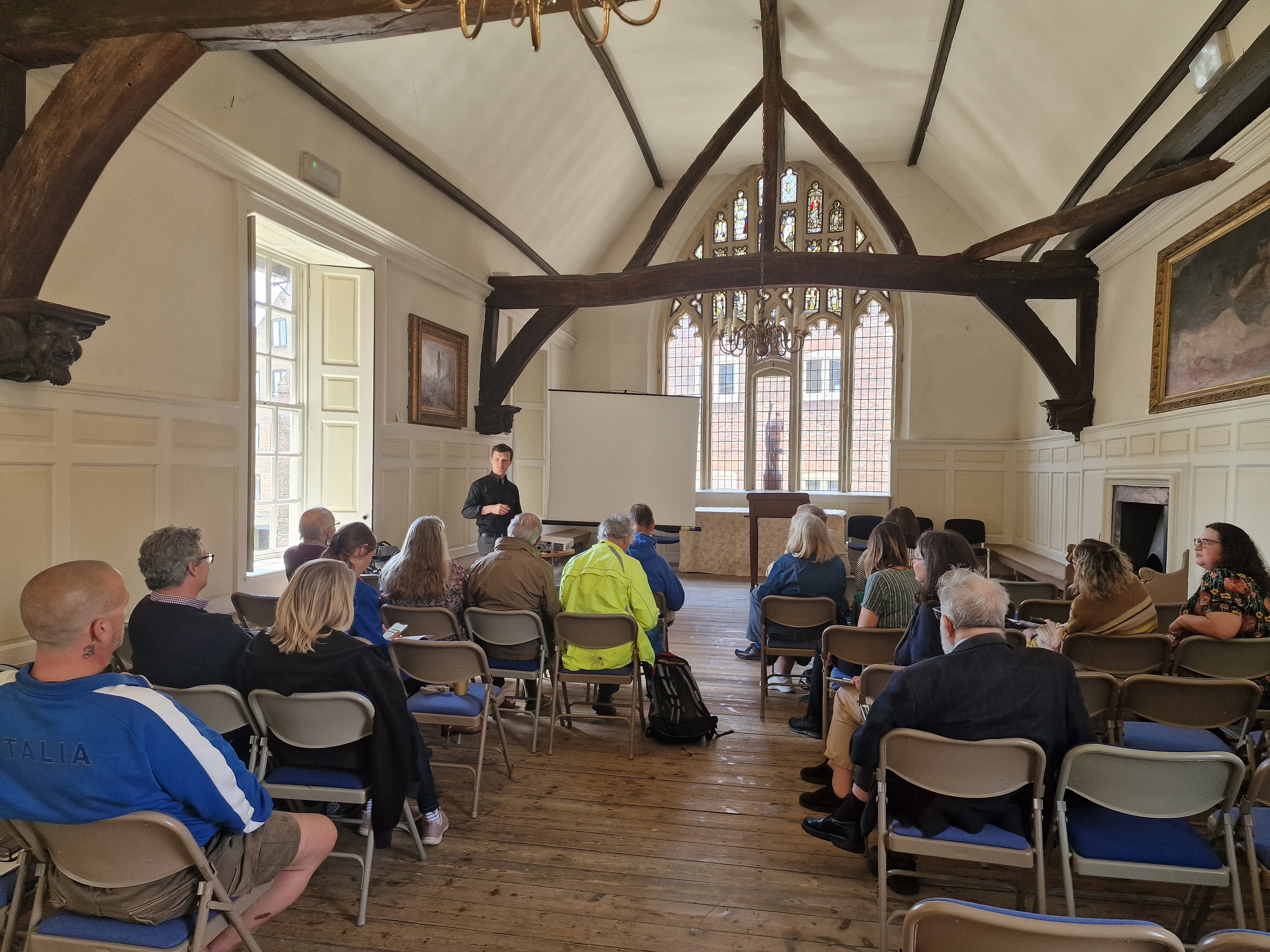
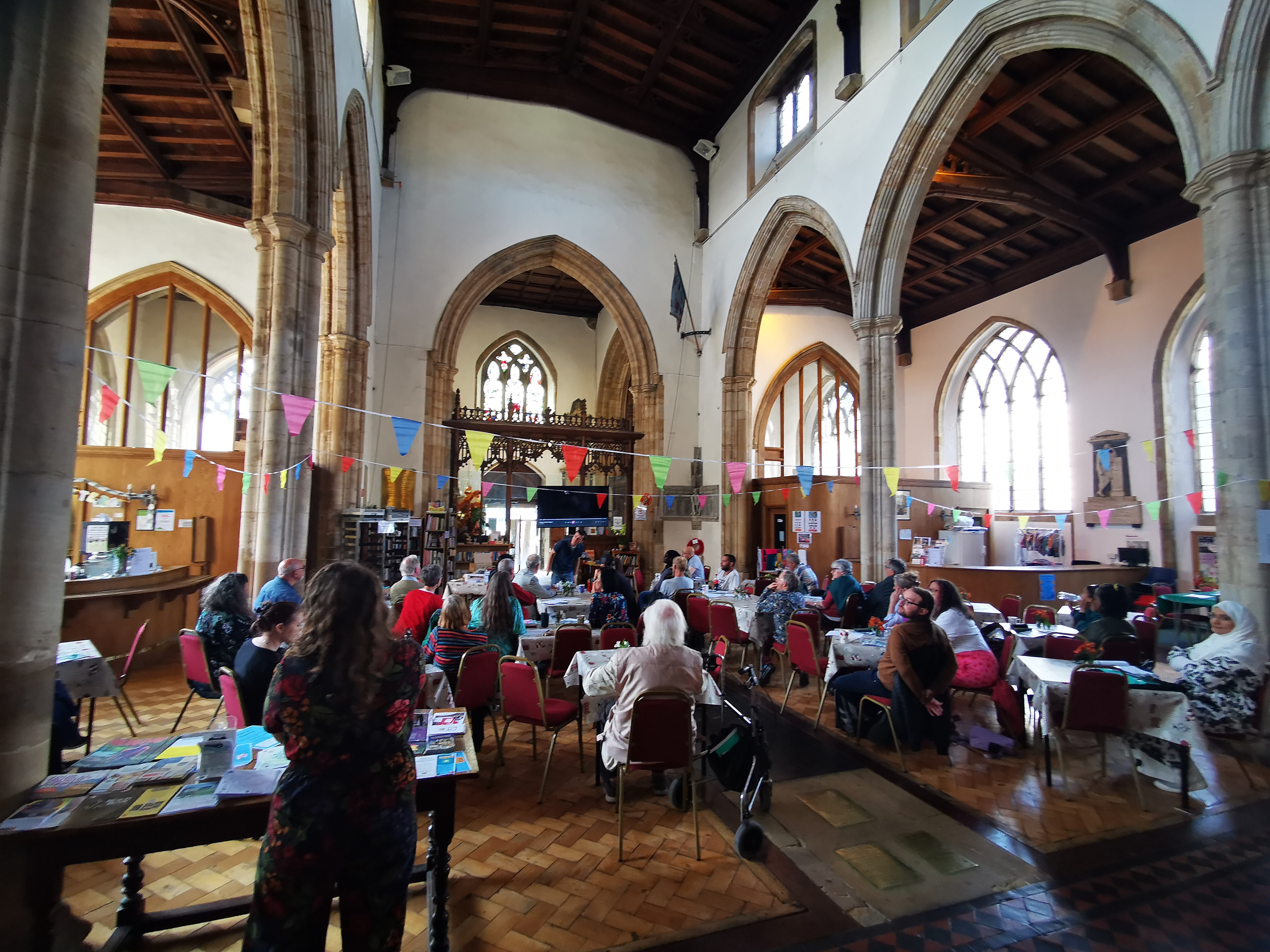
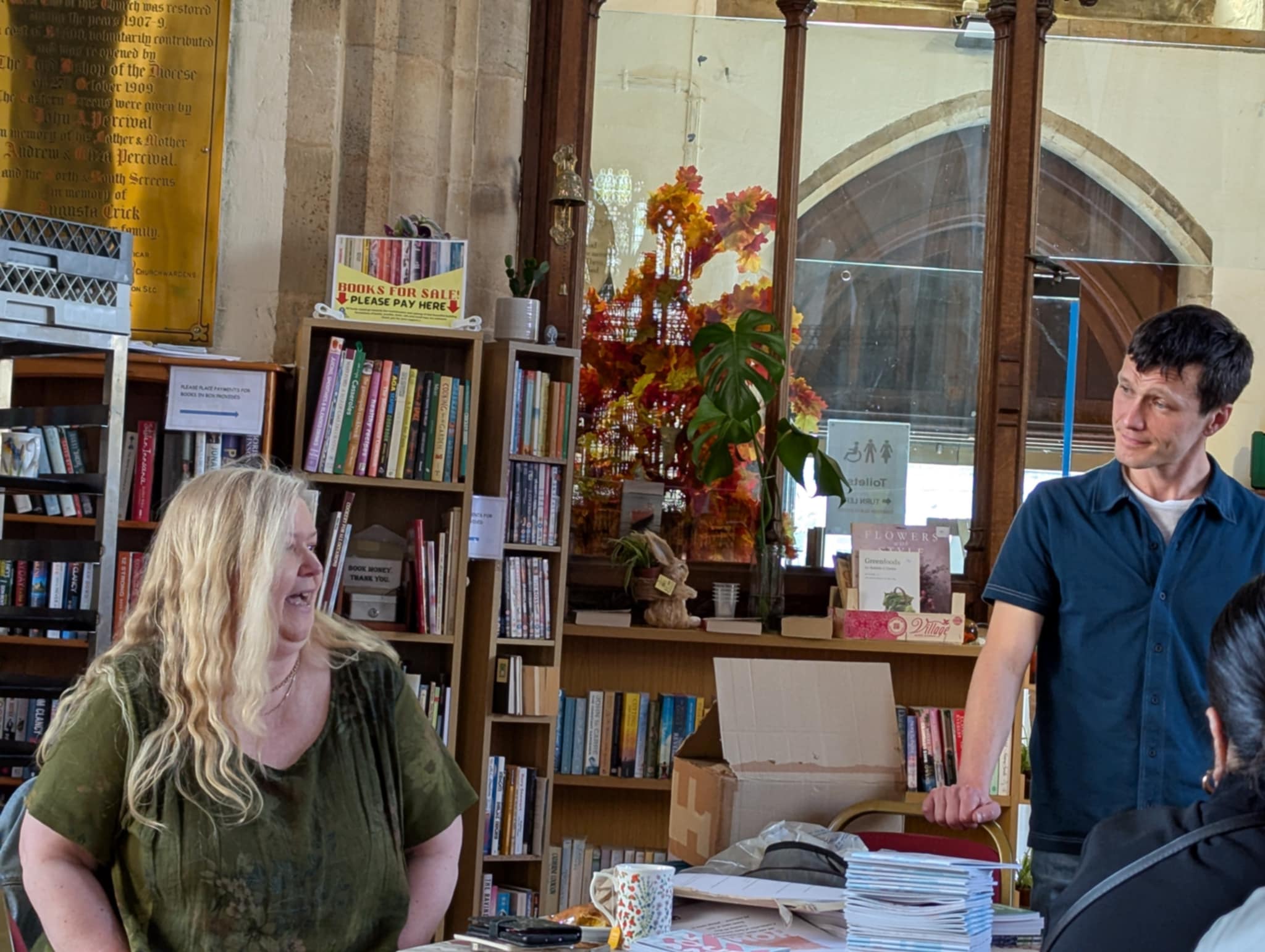
Publicly, I’ve given presentations in the last week in Peterborough and in Boston, launching the Fen Power work. They’ve led to some really excellent, productive debates – thanks to everyone who has attended. I’m holding another launch in Wisbech at the Luxe Cinema on Tues 10 June – sign-up here.
With Donna Smith and with support from PolicyWISE, I’ve written a set of resources called Engaging the disengaged, setting out provocative and proactive ideas about voter disengagement in marginalised communities across England. We’re running an online event with Darren McGarvey next Tuesday – sign-up here if you’re interested. The final text will likely appear on the PolicyWISE webpage in the next couple of weeks.
Finally, wish me and my partner Vera well for the next few weeks – our second son, Lev, is due imminently. Not even born, he’s already showing a ferocious energy and appetite for life. I can’t wait to meet him.
For now, take a look at the Fens work and let me know what you think by email. If you think it’s interesting, please do share it where you can. It’s exactly the kind of politics and region-focused participatory research that is not covered in our London-dominated media (says the Londoner academic). I’ll be working on a book on this from September. Here’s a trailer to whet your appetite:

 Dan Taylor
Leave a comment