A caterpillar walks into a pub. The ant behind the bar says ‘What are you having?’ ‘Everything. Everything’, he replies. ‘And that’s still not it.’
Years and years ago, I was in a squatted pub in Bermondsey. I was 16, Crass t-shirt, rippy zippy jeans (for real – god, they were tight on the arse), holding a can of beer like some mystic talisman that would provide the means to converse with undead spirits. There was a woman there with an inscription on her arm I have spent decades trying to decipher. I asked her about it. She was unconvincing, like any ‘grown-up’ is when you’re that life-insatiable age. Some quote, two lines, stencil print, maybe it was Bukowski or Leonard Cohen (different times), something about a donkey or horse. Remembering, in dark corners, later, I’ve often populated the dense, depressive gnostrum on that skinny pale arm: ‘the horse knows the load. Still it pulls’. But it was darker than that, and contained far more truth that evening than the then-customary ranting about cops and Trots (neigh).
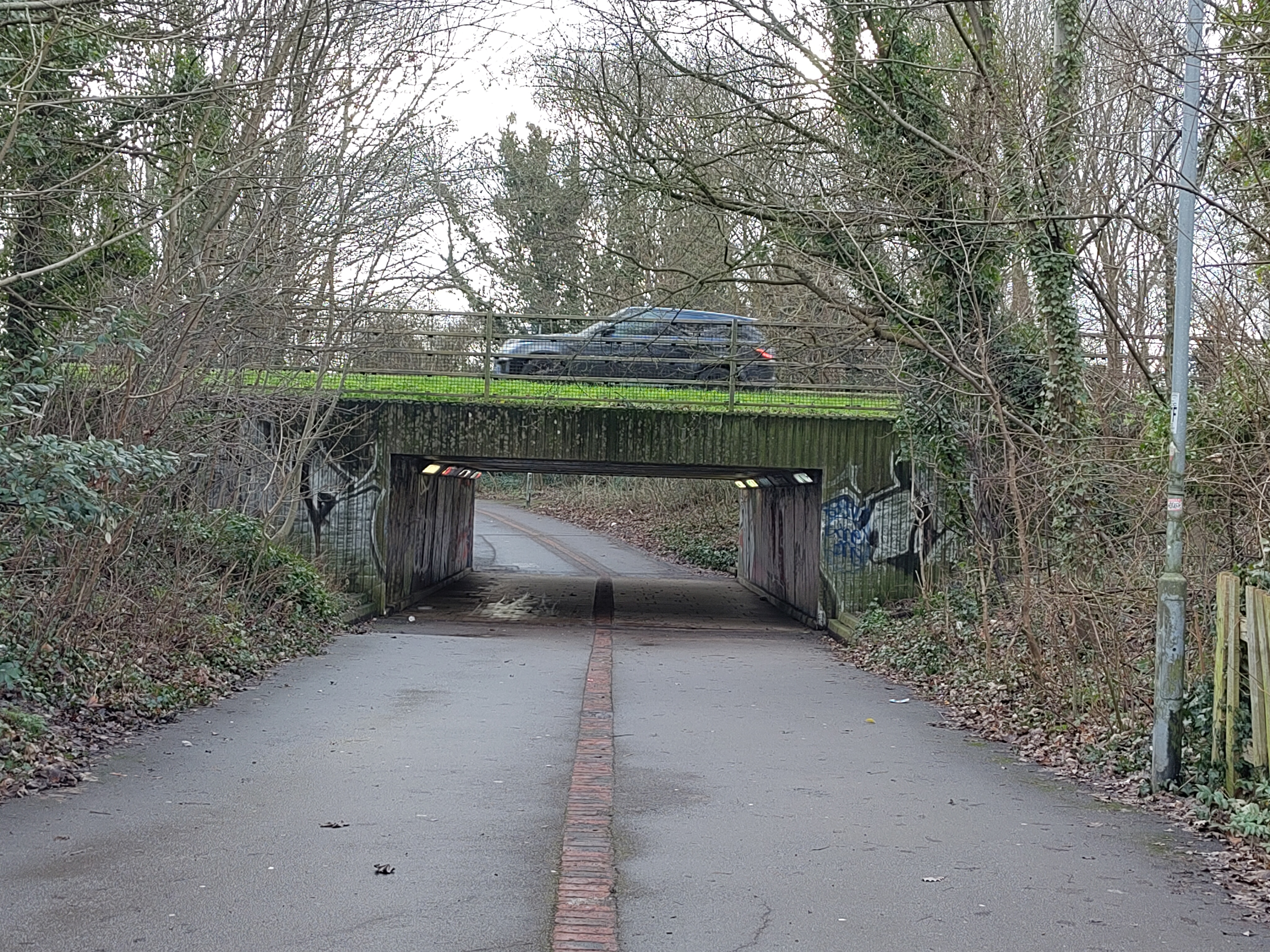
It’s been an energetic year so far. I’ve begun drafting a significant part of my next book by hand.
I’ve co-written an extensive report/essay really on academic freedom and disagreement, which we will start to circulate from next month (maybe), having been involved in work on this at the OU for over a year. Three arguments are crucial: domain confusion (that disagreements under one domain like legitimate political disagreement are maliciously pushed into domains of employment or governance); academic freedom as a collective right, not an individual one; and that if academics do not take collective responsibility to self-manage disagreement well, then managers will decide and impose for us.
With good people in Peterborough, I’ve written and submitted an AHRC grant on Peterborough New Towns and the promise of civic modernism, using the new towns to examine civic feeling, care, repair and withdrawal, through a format of a documentary film and via the lens of social class, a year-long creative work with residents and time in the local archive. I’m terrible at getting funding and this is probably the last you will ever hear of it.
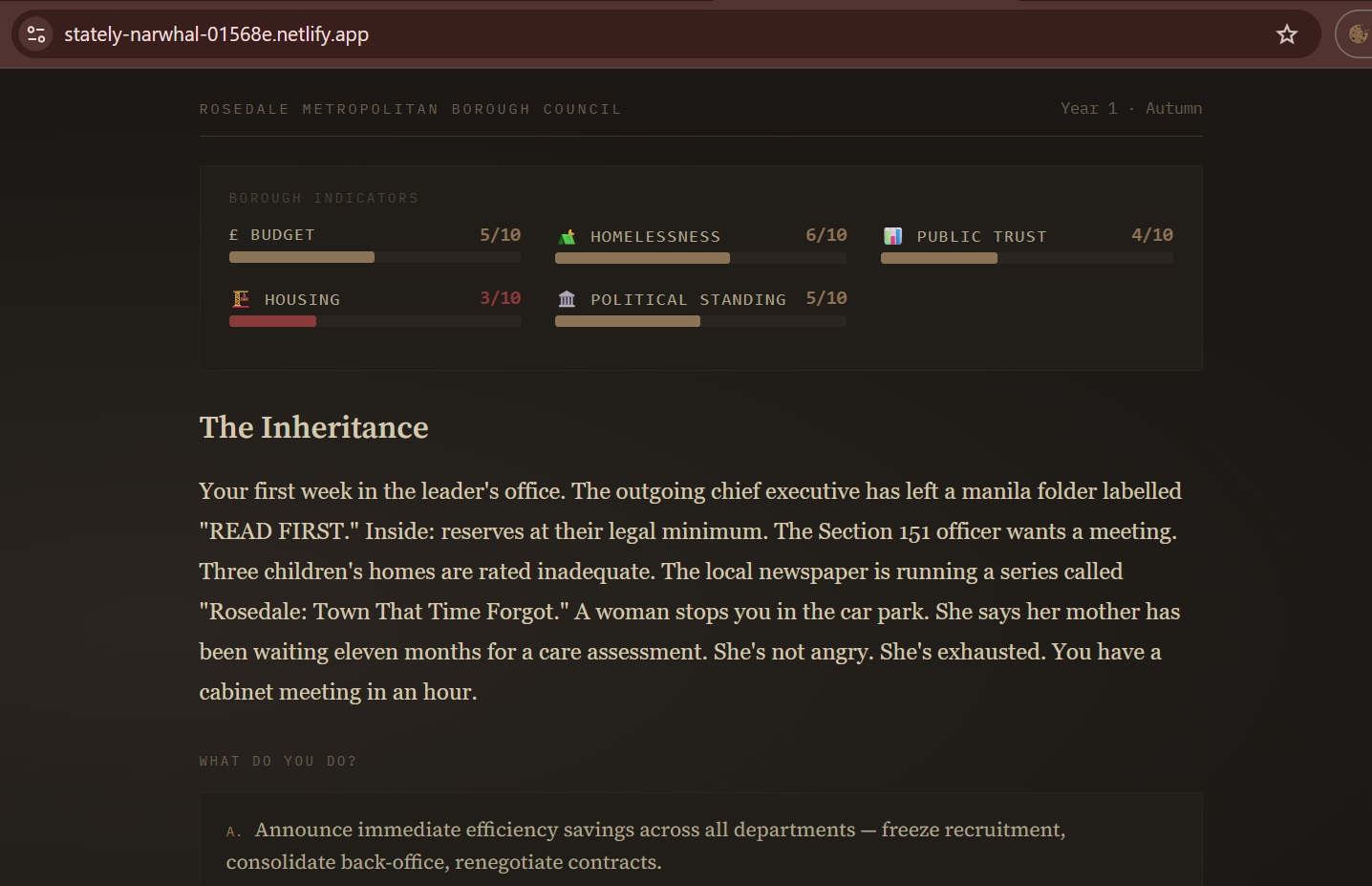
I got obsessively into making simulation games, for about a week and a half, after reading how easy it had become to code using Claude. I made two: The Council – where you play the leader of a cash-strapped English local authority (yes, I made a game about that); and The Diplomat – where you can choose to play as one of six countries entering into COP-26 style climate change negotiations. Both games are absurdly dark – but they can be won. Avoid going bankrupt while not shafting constituents and you can become the next mayor… You want to be mayor, right?
For the last few weeks I’ve returned to Barking and Dagenham, revisiting past interviews and spending some time gathering and cleaning up data on politics, inequalities and life chances in the borough. It’s been for a briefing and small event looking candidly at the last ten years of ‘inclusive growth’ in a borough both remarkably ambitious and challenged. How can you have inclusive growth without either growth or much real inclusion? Well…
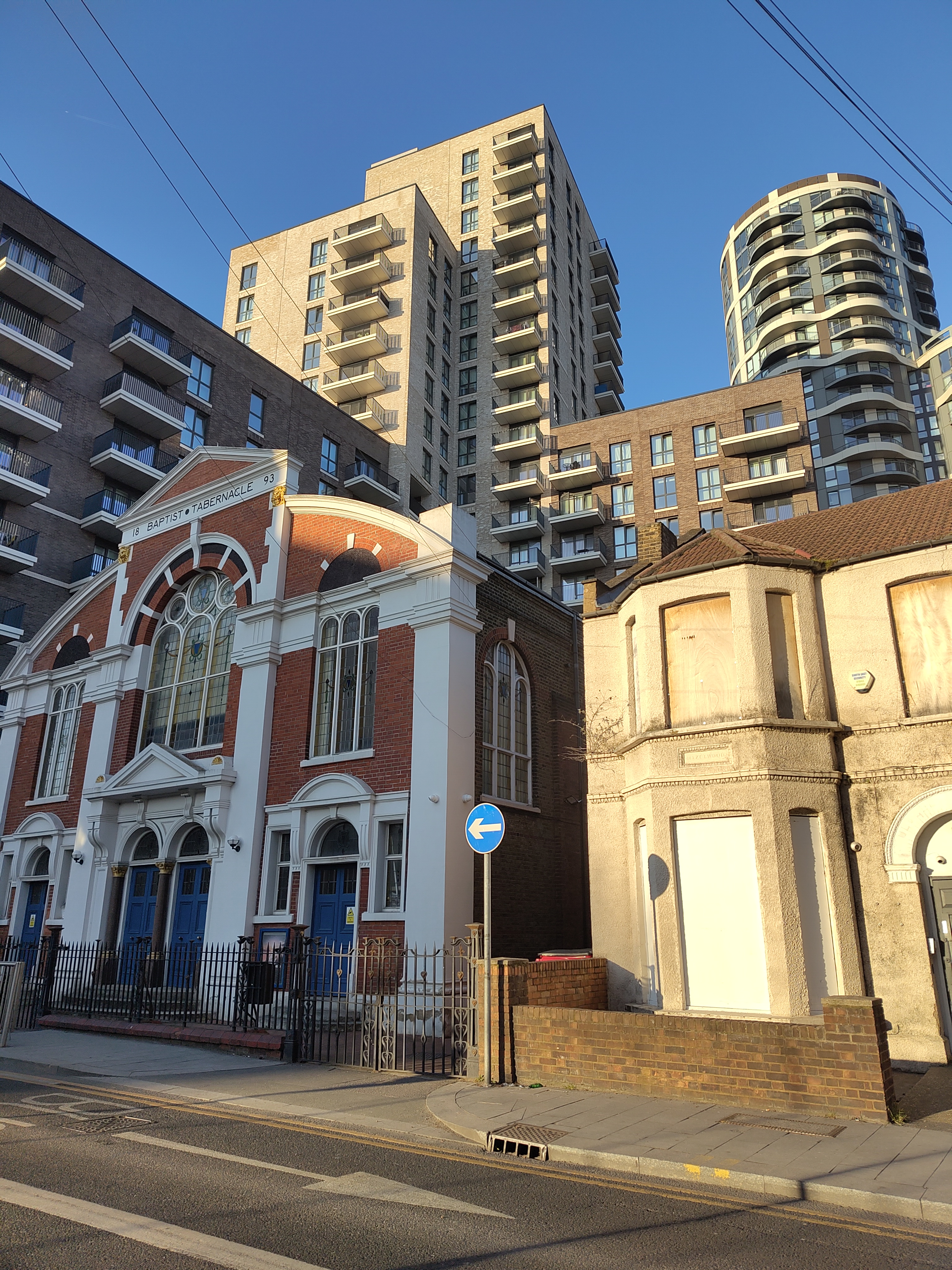
Barking and Dagenham is instructive because it’s often treated as the originary zone of ‘left behind’ Britain and its atavistic, righteous (‘ordinary’) bigotry, and has provided fertile territory for Starmerism and Blue Labour – Morgan McSweeney cut his political teeth here as a political assistant to the council challenging the BNP in the 2000s, and the Dagenham constituency has housed socialist intellectuals from Brian Gould to Jon Cruddas. But the reality here is far more nuanced and troubling to lazy analysis. It’s one of the youngest parts of the country; it’s also marked by nostalgia, the stigma of class and place, and an unease like you get in lots of London where right to buy and crap landlords, crap economy have led to a transient population. Yet it’s a place I’ve loved working in and thinking about over the last few years. It makes up a significant part of the book. I’ve met a ton of brilliant, community minded people and I’ve had the pleasure of getting to know them, interviewing them and supporting their work over three years now, and counting.
I’ll make that writing and data workbook public in April. I organised and held a half-day event this week, invite-only, Chatham House rule, featuring council leadership, developers, residents, local CVS, wider academics – which was fascinating, difficult, significant and strange. Write-up to follow.
And we’ve also, at last, launched the community research network in Barking and Dagenham with Thames Life, which has funding to run until the end of this year, in the earliest instance. We’ve had far more interest than we had expected…
Amid all that, I’ve written a briefing comparing UK nations policy on unpaid carers and setting out a post-Casey Commission argument for a politics of care – out in a couple of weeks. And more work ahead on care, over the next couple months, besides all else for the day job.
Bla bla bla. Some more practical details –
1/ On Monday I’m chairing a talk with novelist Kit de Waal for the MK LitFest – link.
2/ On Wednesday I’m giving a talk and screening on The politics of inertia and the Dreams of the fen tigers at the University of Sussex, with friends Jay Gearing, Ben Rogaly and Kelly Thomas – 2pm, room G51 in a building there, somewhere.
3/ Next Thurs 26 March I’m giving a talk and screening on the same topic at Goldsmiths, 5pm – final line-up to be confirmed.
(Do these land well? To whom do they land)
And a parting shot: tell me why I now enjoy eating sweets? Still, the horse pulls.
 Dan Taylor
Leave a comment