work now out:
An article I’ve tinkered with for years: The rage of the disesteemed: anger, politics and epistemic agency, out with the new Journal of Social and Political Philosophy.
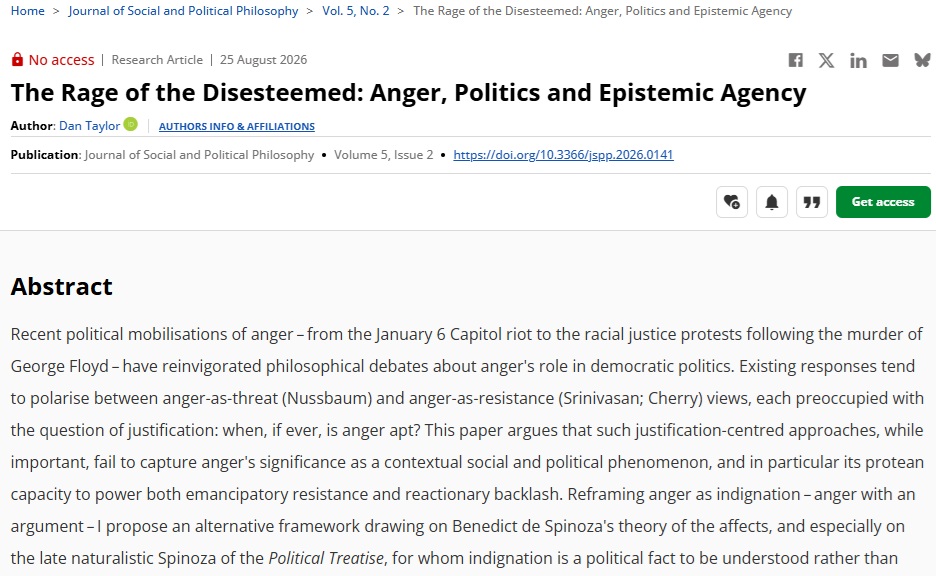
Read a pre-print pdf here:
Where to start with this one? It originally began by comparing the moralisation of anger between Extinction Rebellion and some of the far-right football supporters groups. It then took a step back to consider: what makes anger ‘good’ or ‘bad’? Can anger serve politics? If so (and the common answer is ‘yes, in protest movements I like [insert example]’, then that service is not straightforward. Anger can disarray, overwhelm, exhaust. Anger like any emotion involves some kind of evaluation of the object or situation with which it is attached – in that sense anger is not totally mindless. Anger has a noble and significant lineage in literature (James Baldwin, who gives the title of the paper) and in some feminist political theory. But when I think of anger, I think of my rages as a child, of getting into the most ridiculous fights at school. I’m still burdened by anger, still deeply distrust it. I once saw a therapist who suggested that my pre-adult bottling up of anger had led to me unhappily stifling how I felt more broadly. But emotions are not simple. The anger of an adult terrifies a child; the anger of one adult dismays another. Common ground becomes impossible. I’ve spent enough time with so-called activists to see that the indignation of true believers is no basis for social understanding.
Incidentally – this paper is the last of a batch I have worked on over the last few years. They basically consider the same problem in different ways: what is the relationship between adversity, negative emotion and true understanding, and how can understanding that relationship lead to greater social and political power for those without it. I tackled it via domination here and sympathy here; via bodily disposition here; and via anxiety here. The ace card of Spinoza is brought out each time. I don’t see the point in ploughing this strange furrow any further.
**
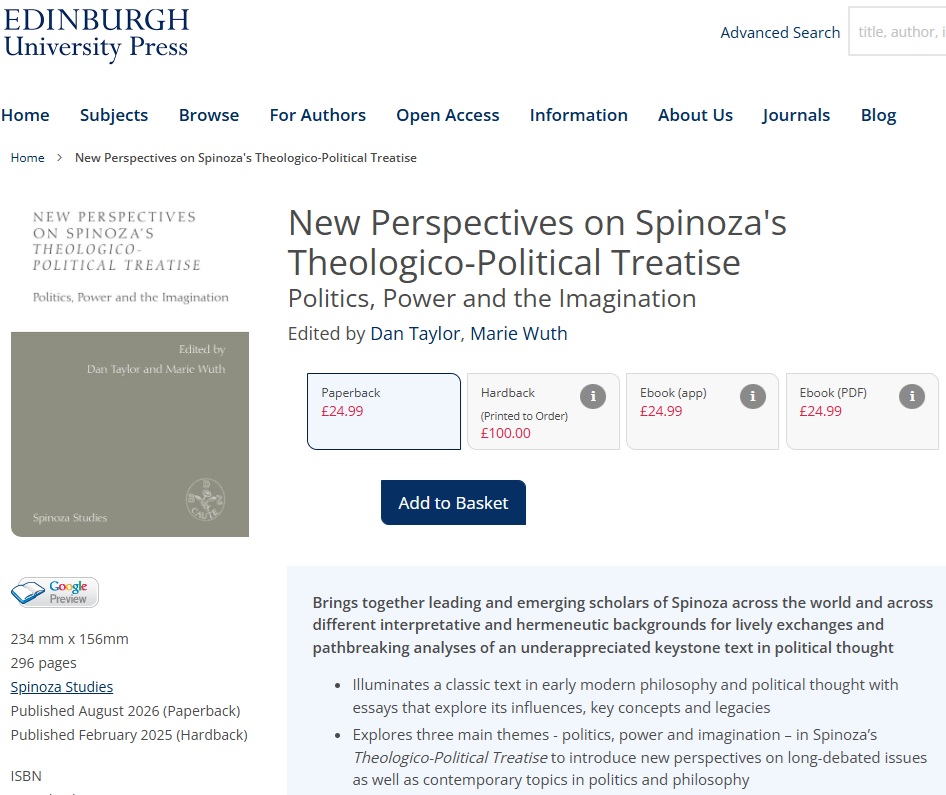
Next up – this essay collection that I co-edited, and wrote parts of, is now out in paperback: New Perspectives on Spinoza’s TTP: Politics, Power and the Imagination.
**
Finally on the writing front, a paper I wrote with Sara Haslam, Working with disagreement, came out internally in June and was covered in Times Higher Education. It makes the case for academic freedom and defends the ‘grey space’ of thinking and uncertainty amid a hostile climate for higher education. It’s the fruit of conversations over the past year, a work of genuine collaboration and exchange. The obvious context is the Jo Phoenix tribunal and the subsequent Dandridge Review into academic freedom at the Open University. The paper thinks through that, and conversations among colleagues about what we owe each other, where we draw the bounds of disagreement, sets out a slightly romantic view of the Open University as a place that ought to model and exemplify how to disagree given how contentious and existential disagreement can often feel nowadays. Link to THE write-up below (it was published before the paper itself came out!)
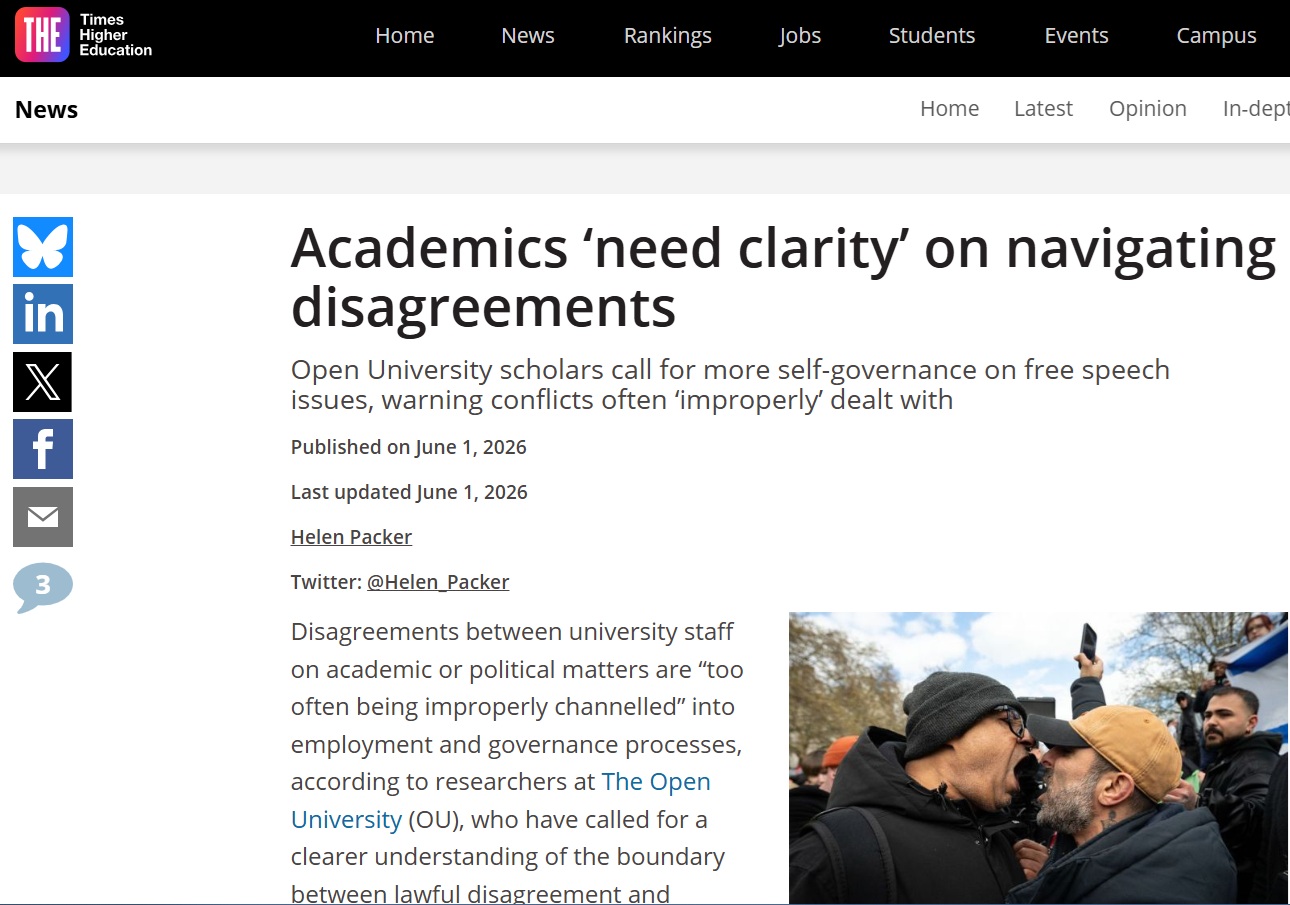
https://www.timeshighereducation.com/news/academics-need-clarity-navigating-disagreements
And here is a link to our paper as a Word document (I cannot work out how to share OU webpages here otherwise).
**
Beyond that, I’ve been clawing a few hours here and there each week to continue writing my next book. Before August I was writing about care and the unpaid carers I’ve had the privilege to meet and talk with over a number of years. I went to Gateshead a couple of months ago for some final interviews, coinciding with winding up a carers charity I have been a trustee of up there.

There are many dilemmas with this writing: how to balance hope with the often harrowing nature of what it can be to give care alone; the extent to which something like care, repair, reciprocity should be politicised and itself addressed with care and specificity, not veiled in platitudes. The dilemma of writing about the North-East in its dignity but also in the sheer degradation and decay of the civic and urban realm (brought to the fore on a walk with my friend Kitty McKay which took in the smashed-up flyover and virtually derelict high street. Meanwhile, small carers organisations and services seem to be closing or losing their funding to generic, national providers at an alarming rate, from Gateshead to Swindon to Manchester, Havering, Cumberland, Bedfordshire and more. Services with decades of expertise, goodwill and presence in beleaguered communities are being replaced with crap phone lines and six finger smiley AI webpages.
It’s been curious that the university-based work on ‘what we owe each other’ has coincided with an intensive round of interviews and visits to the North-East. Both involve vigilance and care; both are concerned with protecting faltering and degrading institutions that are sites of nurture but also isolation. Neither is grand nor showy, nor the work of one person alone. Andy Burnham’s first speech at the People’s Museum was marked in its coolness about universities and higher education. No political party is serious about universities now, and that lack of seriousness and self-esteem I see in colleagues across the sector who believe they can embrace or harness AI in assessment without irreparably damaging what it is to teach or think.
**
If I may, it’s worth touching upon the horrifying and tragic news about Jason Arday here, a talented and inspiring young academic who had made errors earlier in his some of his work (for me, the incredible failure around his PhD supervision/lack of supervision is a crucial source). I did not know him personally but he was the external examiner of a PhD student I partly supervised, and by all accounts was a very kind, insightful figure. He produced a good deal of scholarship, far beyond what ended up being subject to retractions, and Middle East Eye has debunked other claims. Enough has rightly been written about the engrained and deep-seated racism that led to a Black man being hounded to death for misdemeanours far less than other white colleagues at Cambridge, Greater Manchester or beyond.
One thing I was struck by, and which I failed to appreciate at the time when Jason was still alive, was that he was the only working class Black south Londoner I know of to make it into academia and to such a high level; having grown up in this world too, I was struck even at the age of 13 or 14 that the boys who had been the brightest in earlier years of primary school and the first years of secondary school were streamed and somehow relegated into widespread underachievement. It was no overt racist conspiracy, but it struck me as a racist outcome even then. I’ve thought at times about what a sociological book looking at inner south London, black masculinity and educational outcomes would look like, looking at my school and a few others, but that’s by the by, and I’m probably not the person to write it.
But it connects back to the concerning failures of the university and academic freedom touched on above. Cambridge University *may* have disserved more well-established or higher-achieving Black scholars who were also interviewed for his post, that an inquiry will determine. But they did seem to fail to stand up robustly enough for Arday and offer some clear if mitigated defence once the public accusations built up. More to the point, the whole incident reflects a failure or lack of confidence in academic judgement. A failure to properly examine and investigate the initial charges brought against his work years before; and a failure or lack of confidence in defending the rigor of Arday’s work (particularly his other work) once the far-right hounds smelled blood. The whole story coincided with a glut of other headlines around widespread AI usage, the lack of value of university degrees and appalling student loans, and Labour’s continued lack of support for higher education. The picture presented is this: universities are no longer capable or willing to exercise academic judgement, no longer serve the public interest, and can no longer be trusted to defend intellectual rigor or heterodox view. Now, that is not a true picture, but that is the picture presented, and it depresses and worries me immensely.
**
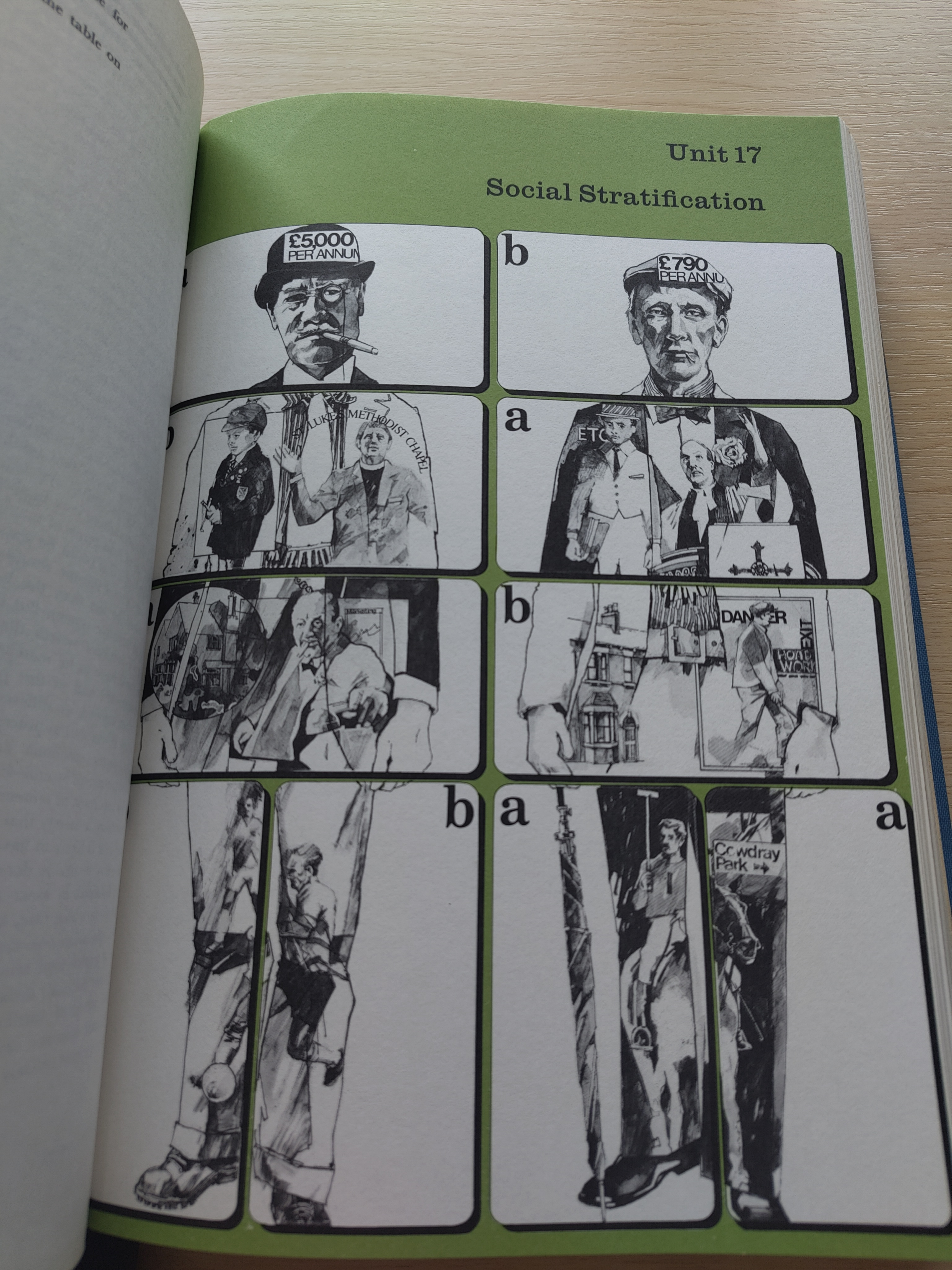
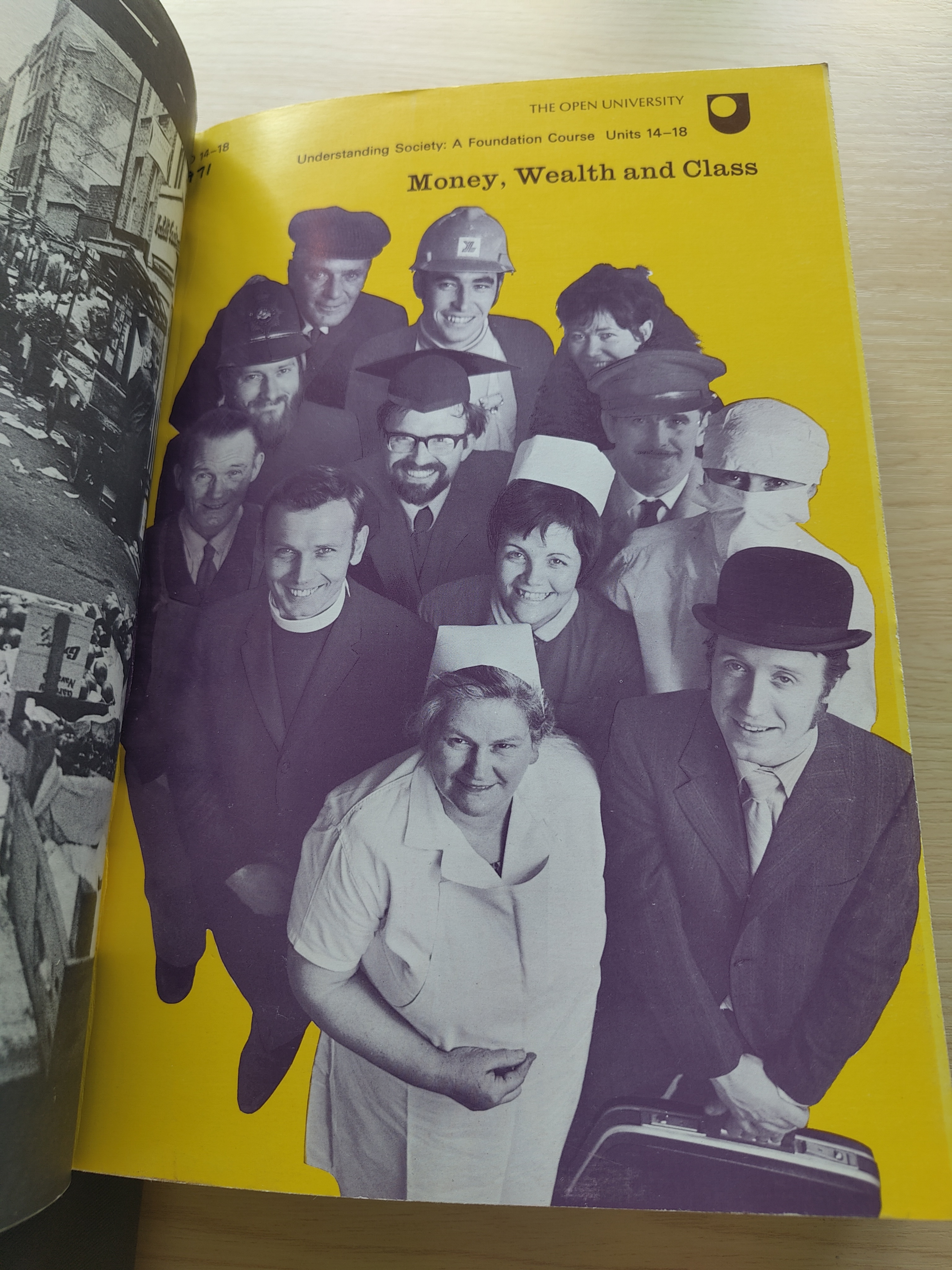
A counterpoint to these depressing thoughts: when I’ve had a spare hour or two I’ve been visiting the Open University archive (basically just a room in the library) to look at the earliest social science and politics modules. The writing is often thrilling – pacey, intellectual but not verbose, occasionally funny, sharp, and taking the student seriously as a curious, self-aware adult. One assignment requires the students to undertake their own research project interviewing 10 people about power in organisations. Others are about the make-up of the church, the psychology of control – all sorts. Today, we teach with less TV and video, and certainly less student-tutor interaction (the summer schools and regional centres are long gone). But perhaps that culture of intellectual seriousness, of delight in concepts and ideas, of learning as a value for its own sake – and one that should be tough – perhaps that could be protected, like a seed, planted again.


Leave a comment